
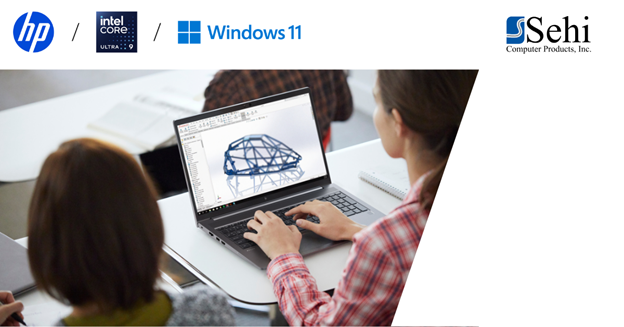
Higher education is at a turning point. Institutions are being asked to deliver more flexible learning, support hybrid environments, and integrate emerging technologies like artificial intelligence, all while managing tight budgets and complex IT environments.
To meet these demands, many colleges and universities are turning to a unified technology approach built on HP devices, Intel processors, and Microsoft platforms.
Addressing the Modern Campus Reality
Today’s campuses are no longer confined to lecture halls. Students and faculty expect seamless experiences whether they are in the classroom, at home, or on the move. At the same time, IT teams are tasked with maintaining security, supporting diverse devices, and enabling innovation across departments.
A combined ecosystem of HP, Intel, and Microsoft helps institutions simplify this complexity. With devices designed for mobility, processors built for performance, and operating systems optimized for productivity, this partnership creates a consistent and reliable experience across campus.
Enabling AI-Driven Learning and Administration
Artificial intelligence is becoming a practical tool in higher education. It is helping institutions improve both academic and administrative outcomes.
Faculty can use AI to streamline grading, generate course materials, and provide more personalized feedback. Administrative teams can automate repetitive processes, analyze student data more effectively, and improve decision-making.
With platforms like Microsoft 365 Copilot, AI is integrated directly into the tools educators and staff already use. This reduces the learning curve and accelerates adoption across the institution.
The Importance of AI-Ready Devices
To fully benefit from AI, institutions need devices that can handle modern workloads. Legacy hardware often struggles to keep up with the demands of today’s applications.
HP devices powered by Intel Core Ultra processors and running Windows 11 Pro are designed for this new environment. They support faster processing, improved multitasking, and enhanced collaboration tools, all of which are essential for both students and faculty.
Reliable, high-performance devices also contribute to a better student experience, reducing frustration and enabling more meaningful engagement with course materials.
Strengthening Security Across Campus
Universities manage vast amounts of sensitive data, from student records to research information. This makes security a top priority.
Modern solutions from Intel and Microsoft provide hardware-based protections and advanced security features built directly into the system. Windows 11 Pro adds another layer with improved identity protection and threat defense capabilities.
Upgrading to newer devices is not just about performance. It is a critical step in protecting institutional data and maintaining compliance with evolving regulations.
Supporting IT Teams and Reducing Complexity
Campus IT teams are often stretched thin. Managing a wide range of devices and systems can slow down innovation and increase operational costs.
A standardized ecosystem helps reduce this burden. With integrated hardware and software solutions, IT teams can deploy, manage, and secure devices more efficiently. This allows them to focus on strategic initiatives rather than day-to-day troubleshooting.
Preparing Students for a Digital Future
Higher education plays a key role in preparing students for the workforce. Providing access to modern tools and technologies is essential to that mission.
By adopting AI-enabled platforms and high-performance devices, institutions can equip students with the skills they need to succeed in a rapidly changing job market. These technologies also foster collaboration, creativity, and critical thinking.
Moving Forward with Confidence
The future of higher education will continue to be shaped by digital transformation. Institutions that invest in modern, integrated technology solutions will be better positioned to adapt and thrive.
The combined strengths of HP, Intel, and Microsoft offer a practical path forward. Together, they provide the foundation for more secure, efficient, and innovative campus environments.
For higher education leaders, the question is no longer whether to modernize, but how quickly they can take the next step.